Hardware
Quiet Mini PC Builds for Embeddings and Light Chat
Build a low-noise local AI box for embeddings, small models, and always-on private tools.
Quiet Mini PC Builds for Embeddings and Light Chat
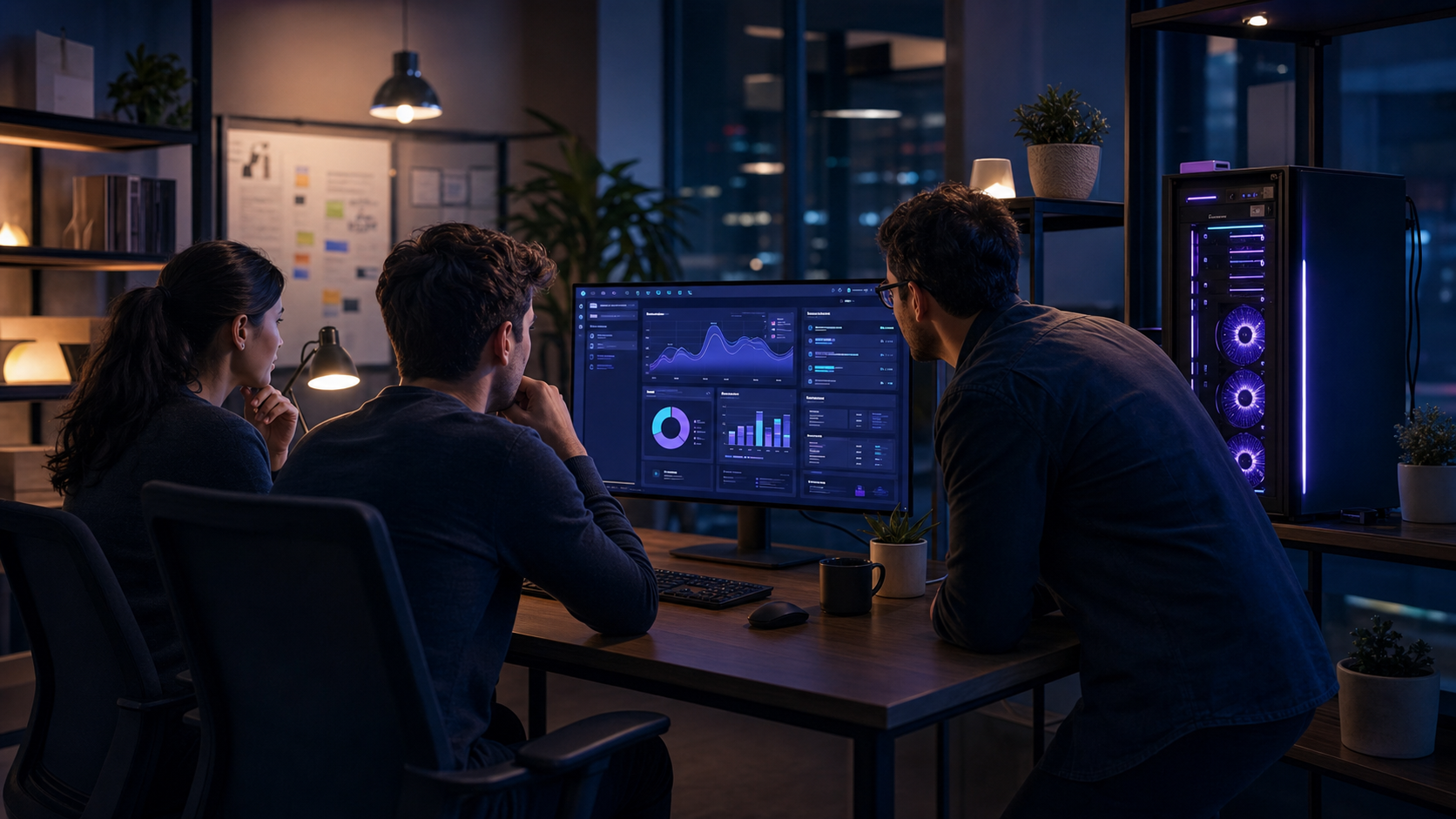
A mini PC can be a very sensible local AI machine when your focus is embeddings, document search, and lightweight chat. The value is not raw performance; it is that the system can sit on a desk, stay quiet, and run all day without becoming a distraction.
Choose efficiency first
Look for low idle power, decent cooling, and enough RAM for your workloads. A small, efficient machine often feels better in daily use than a louder box with extra horsepower you do not need.
Know the limits
Mini PCs are usually best for smaller models, vector databases, and companion services. If you want very large models or multiple users, they will hit a ceiling much sooner than a desktop with a discrete GPU.
Read Self-Hosted AI for Small Businesses if you are choosing a quiet box for a team environment.
Storage and thermals still matter
Compact systems can throttle if the SSD, RAM, and chassis all run hot. Use fast storage with sensible capacity, and keep airflow clear around the machine.
Use it as a local services node
A mini PC can host Open WebUI, a vector store, a small model runtime, or an ingestion pipeline. That makes it ideal as the always-on front end for a larger model host elsewhere.
Pair it with Open WebUI vs AnythingLLM to decide which interface best matches the box's role.
Conclusion
Mini PCs are not for every workload, but they are excellent for quiet, efficient, private AI services. If you respect the limits, they can be one of the most pleasant local builds you own.