Tutorials
A Practical Backup Plan for Self-Hosted AI Databases
Protect AI databases, vector stores, and config files with backups you can actually restore.
A Practical Backup Plan for Self-Hosted AI Databases
Backups only matter when they restore cleanly. For a self-hosted AI stack, the most important items are usually databases, vector indexes, configuration, and document stores rather than the model binaries themselves.
Back up the right things
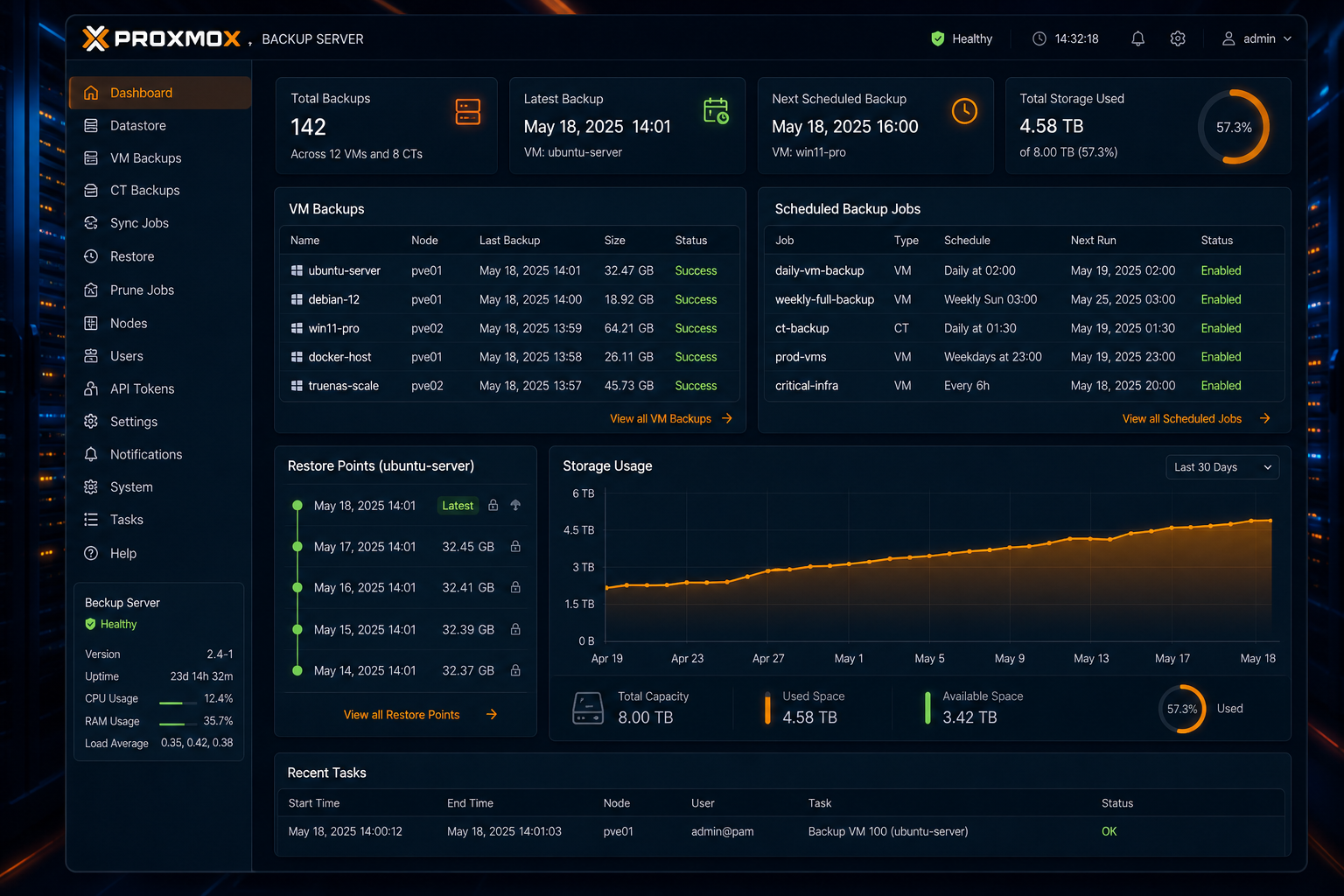
Start with the guidance in Proxmox Backup Strategy for AI VMs and Containers, then identify the database files and application state that actually change every day.
Do not forget the supporting pieces
Prompt libraries, connector settings, uploaded files, and workflow definitions can be harder to recreate than the model. Those belong in the backup scope too.
Make restore the real test
Run a restore into a clean environment and verify that the application starts, the database opens, and the index still answers questions. If the process is too awkward to test, it will be too awkward during an incident.
Tie backups to operations
Backups should support the response steps in Build an Incident Response Plan for Your Self-Hosted AI Stack and the visibility work in Monitor Self-Hosted AI Services with Uptime, Logs, and Metrics.
Conclusion
A backup plan is useful only when it is boring, documented, and regularly checked. Focus on the state you cannot recreate quickly, and make sure every restore step is one you have already practised.